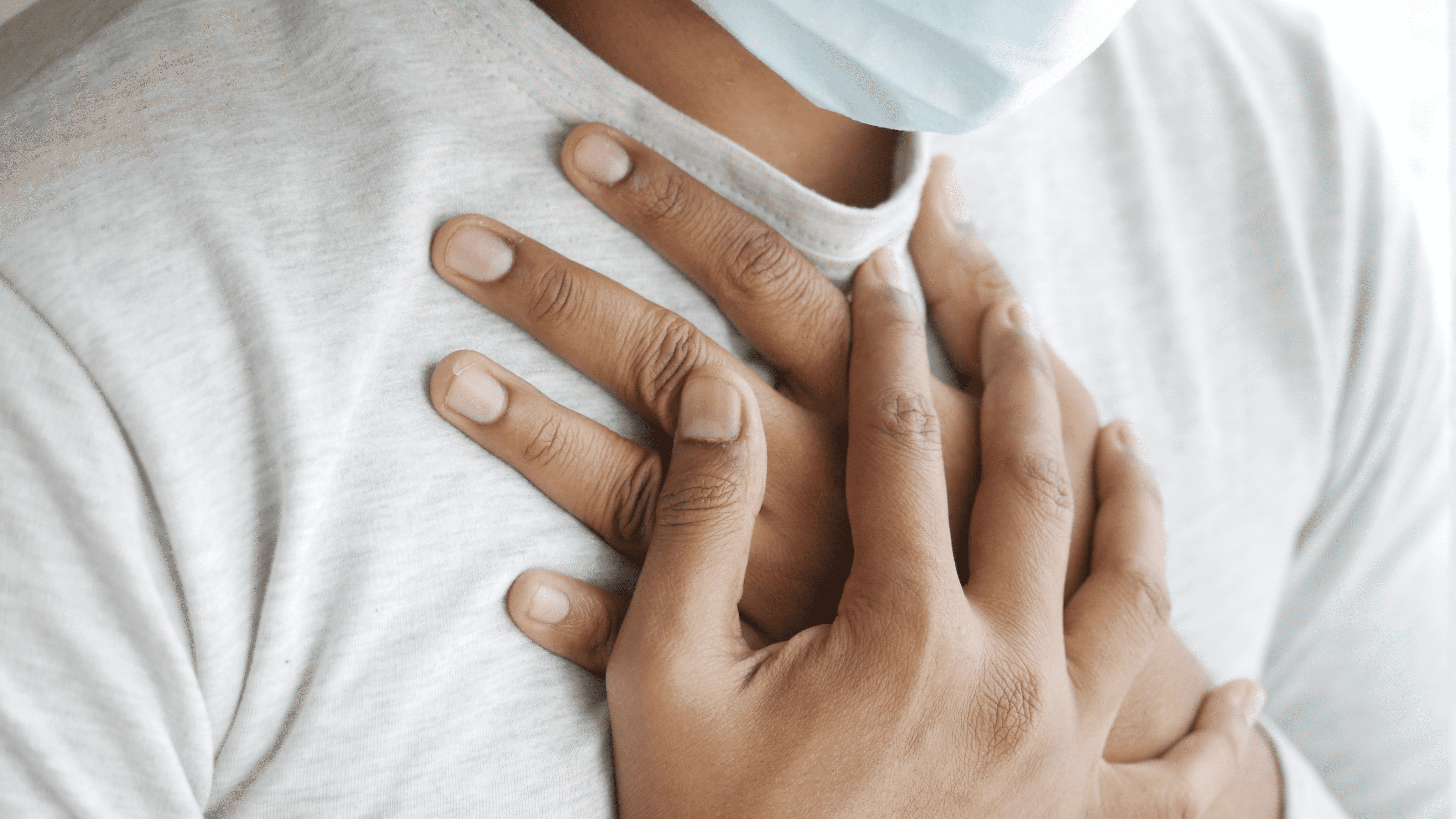
Heart disease: Warning signs that women often overlook
Heart disease has long been viewed as a “men’s health issue,” but the reality is very different. Heart disease is the leading cause of death among women worldwide, and many early signs are subtle, misunderstood, or completely missed.

Aug 21, 2025
Why Heart Disease Is Often Missed in Women
Heart disease in women is frequently underdiagnosed, mainly because symptoms present differently and because many women do not see themselves at risk. A combination of biological, hormonal, and societal factors contributes to late detection. Women, especially those balancing work, family, and daily responsibilities, often ignore their own health concerns until symptoms become severe.
How Women’s Symptoms Differ From Men’s
Men often experience classic symptoms like crushing chest pain or pressure. Women, however, tend to have more subtle and varied symptoms that can be felt in different parts of the body. Some women experience no chest pain at all, making heart disease harder to detect.
Here are key differences:
Women often feel discomfort rather than sharp pain
Symptoms may spread to the jaw, back, shoulders, or stomach
Fatigue and nausea are more common
Women may experience symptoms weeks before a heart event
Emotional symptoms, such as anxiety, often accompany physical signs
Because of these differences, many women do not realize their symptoms are heart-related until much later.
Common Warning Signs Women Often Overlook
Many symptoms of heart disease seem unrelated and are easy to dismiss. Recognizing them early can be life-saving.
1. Unusual or Extreme Fatigue
Fatigue is one of the most commonly overlooked symptoms. Women may wake up tired, feel exhausted after mild activity, or struggle with daily tasks. This fatigue does not improve with rest and is often described as a deep, overwhelming tiredness. Women often dismiss it as burnout, stress, or sleep issues, but persistent fatigue is a major early sign that the heart is struggling to pump efficiently.
2. Shortness of Breath
Shortness of breath that occurs even without physical exertion can indicate reduced heart function. Women may notice they become winded from simple tasks like climbing stairs, walking short distances, or doing household chores. This symptom is often mistaken for low fitness, asthma, or anxiety, but frequent breathlessness should be taken seriously.
3. Chest Discomfort Rather Than Pain
Women often describe chest symptoms as pressure, tightness, fullness, or burning instead of intense pain. It may feel like indigestion or discomfort rather than a dramatic sensation. Because it lacks the typical “heart attack” feeling, women may ignore it or believe it is related to acid reflux.
4. Pain in the Jaw, Neck, or Back
Pain that radiates into the neck, jaw, shoulder blades, or upper back is a hallmark warning sign for women. Jaw or neck discomfort that comes and goes or worsens with activity should never be overlooked. Women often assume they slept wrong or strained a muscle, but these symptoms can indicate heart trouble.
5. Nausea or Digestive Discomfort
Women are more likely than men to experience nausea, vomiting, stomach pain, or digestive upset during heart events. This is often mistaken for food poisoning, flu, or acid reflux. If these symptoms occur alongside fatigue, sweating, or chest discomfort, they may signal a heart issue.
6. Lightheadedness or Dizziness
Feeling faint, dizzy, or unsteady can mean the heart is struggling to deliver enough oxygen-rich blood to the brain. Women may blame it on dehydration or iron deficiency, but recurring dizziness should prompt medical evaluation.
7. Unexplained Anxiety or a Sense of Dread
Sudden anxiety, panic-like feelings, or a sense that “something is wrong” can be an early heart signal. Women often experience emotional symptoms during heart distress, even before physical signs become clear.
Major Risk Factors for Heart Disease in Women
Understanding risk factors helps women take preventive action long before symptoms appear. Some risks are unique to women due to hormonal and biological differences.
1. Hormonal Changes and Menopause
Estrogen protects the heart during reproductive years. After menopause, estrogen levels drop, increasing risk for heart disease. Women may notice rising blood pressure, cholesterol changes, and weight gain during this period.
2. Pregnancy-Related Conditions
Complications such as gestational diabetes, preeclampsia, and high blood pressure increase long-term heart disease risk. Women often overlook these past events, but they are strong indicators for future heart problems.
3. Autoimmune Diseases
Conditions like lupus and rheumatoid arthritis are more common in women and increase inflammation in the body, which raises heart disease risk.
4. Stress and Mental Health Factors
Women experience higher rates of chronic stress, emotional burden, and anxiety. These factors increase cortisol levels, inflammation, and blood pressure, putting more strain on the heart.
5. Lifestyle Risks
Lifestyle habits that increase risk include:
Smoking
Poor sleep
Low physical activity
Excess alcohol
Diet high in sugar and processed foods
Recognizing these risks early helps women make healthier choices.
How Prevention Can Reduce Heart Disease Risk
Prevention is one of the strongest tools against heart disease. Small daily choices add up and dramatically reduce long-term risk. Prevention is not about perfection—it is about consistency, awareness, and long-term care.
Nutrition for Heart Health
Food plays a major role in preventing heart disease. A heart-healthy diet supports cholesterol balance, reduces inflammation, and strengthens the cardiovascular system.
1. Increase Fruits and Vegetables
Colorful produce is packed with antioxidants, fiber, and nutrients that support heart function. Aim for a variety of fruits and vegetables daily to improve long-term protection.
2. Choose Whole Grains Over Refined Carbs
Whole grains help reduce cholesterol, support digestion, and stabilize blood sugar. This reduces stress on the heart and supports healthier metabolism.
3. Prioritize Lean Proteins and Healthy Fats
Healthy fats from nuts, seeds, avocados, and fish support heart health. Omega-3 fatty acids reduce inflammation and protect arteries from damage.
4. Reduce Sodium and Processed Foods
High sodium raises blood pressure, one of the most significant risk factors for heart disease. Minimizing processed foods helps maintain normal blood pressure levels.
5. Stay Hydrated
Good hydration supports blood circulation and helps the heart pump more efficiently.
Physical Activity: Essential for Prevention
Fitness is a powerful form of prevention. Movement supports heart strength, blood flow, hormone balance, and stress reduction.
1. Regular Cardio Strengthens the Heart
Walking, cycling, swimming, and aerobic exercise improve heart endurance, reduce blood pressure, and help maintain a healthy weight.
2. Strength Training Improves Metabolism
Building muscle helps manage blood sugar, support bone health, and maintain a strong cardiovascular system. Women benefit significantly from weight training in all stages of life.
3. Flexibility and Mobility Reduce Tension
Stretching and mobility exercises support posture, reduce muscle strain, and improve breathing—important for heart function.
4. Daily Activity Matters
Small movements add up:
Taking the stairs
Short walking breaks
Household activities
Gardening
Daily activity helps keep the heart active and reduces long periods of inactivity.
Sleep and Stress Management
Sleep and stress play major roles in heart health. Chronic stress increases inflammation, blood pressure, and heart strain. Poor sleep disrupts metabolism and raises cortisol levels.
1. Improve Sleep Quality
Aim for consistent sleep routines, reduced screen time at night, and a calming bedtime environment. Good sleep supports heart repair and hormone balance.
2. Manage Stress Proactively
Stress-relief strategies include:
Meditation
Breathing exercises
Yoga
Journaling
Nature walks
Reducing daily stress helps reduce pressure on the cardiovascular system.
Regular Health Screenings for Prevention
Monitoring your health is one of the most effective ways to prevent serious heart problems.
Key screenings include:
Blood pressure
Cholesterol levels
Blood sugar
Thyroid function
Weight and waist measurement
ECG if needed
Kidney and liver function tests
Women should also discuss past pregnancy complications with their provider, as these significantly influence long-term heart health.
When to Seek Medical Help
Women should seek medical evaluation if they experience:
Persistent fatigue
Frequent shortness of breath
Chest discomfort
Pain spreading to back or jaw
Irregular heartbeat
Dizziness or fainting
Sudden sweating
These symptoms should never be ignored. Early detection improves outcomes dramatically.
Daily Habits to Support Long-Term Heart Health
Heart health depends on consistent daily choices. Small habits practiced over time help improve circulation, support healthy blood vessels, and reduce the risk of long-term cardiovascular problems. These simple, sustainable routines can make a meaningful difference for your overall well-being.
1. Drink enough water daily
Hydration keeps your blood flowing smoothly and prevents your heart from working harder than it should. Water supports circulation, helps maintain healthy blood pressure, and keeps your body’s systems running efficiently. Drinking enough throughout the day also reduces fatigue and supports overall cardiovascular function.
2. Add movement throughout the day
Regular movement strengthens the heart and improves blood flow. You don’t need intense workouts to see benefits—short walks, light stretching, or taking the stairs all support healthy circulation. Breaking up long periods of sitting reduces stiffness and lowers the risk of high blood pressure and heart strain over time.
3. Eat heart-friendly meals
A heart-healthy diet focuses on whole, nutrient-rich foods. Lean proteins, fruits, vegetables, whole grains, legumes, nuts, and healthy fats all support balanced cholesterol and reduce inflammation. Limiting processed foods and excess salt helps keep blood pressure stable. Even small shifts—like adding a serving of vegetables or swapping fried foods for baked options—can help your heart stay strong.
4. Reduce smoking and alcohol
Smoking damages blood vessels, raises blood pressure, and significantly increases the risk of heart disease. Reducing or quitting tobacco has immediate benefits for heart health. Excess alcohol also puts stress on the heart and can lead to irregular rhythms and high blood pressure. Cutting back supports better cardiovascular function and overall well-being.
5. Create a stress-relief routine
Chronic stress forces the heart to work harder and can raise blood pressure. Building daily relaxation habits—such as deep breathing, meditation, journaling, or spending time outdoors—helps calm the nervous system. These routines reduce emotional strain and support better heart health over time
6. Maintain consistent sleep habits
Quality sleep is essential for recovery and cardiovascular balance. Poor sleep increases stress hormones, disrupts blood pressure, and strains the heart. Keeping a consistent sleep routine helps your body repair itself, improves energy levels, and supports better emotional health. Aim for 7–9 hours per night.
Final Thoughts
Heart disease is not just a men’s issue—women are equally at risk, and many early warning signs are subtle and easily overlooked. By understanding these signs, recognizing risk factors, prioritizing prevention, and adopting healthier habits, women can protect their long-term heart health. Small daily choices—balanced nutrition, consistent movement, good sleep, and regular checkups—create a strong foundation that protects both the body and mind.
Your heart works for you every day. Caring for it now ensures resilience, strength, and well-being for many years to come.
About
Delivering independent journalism, thought-provoking insights, and trustworthy reporting to keep you informed, inspired, and engaged with the world every day.
Featured Posts


Explore Topics