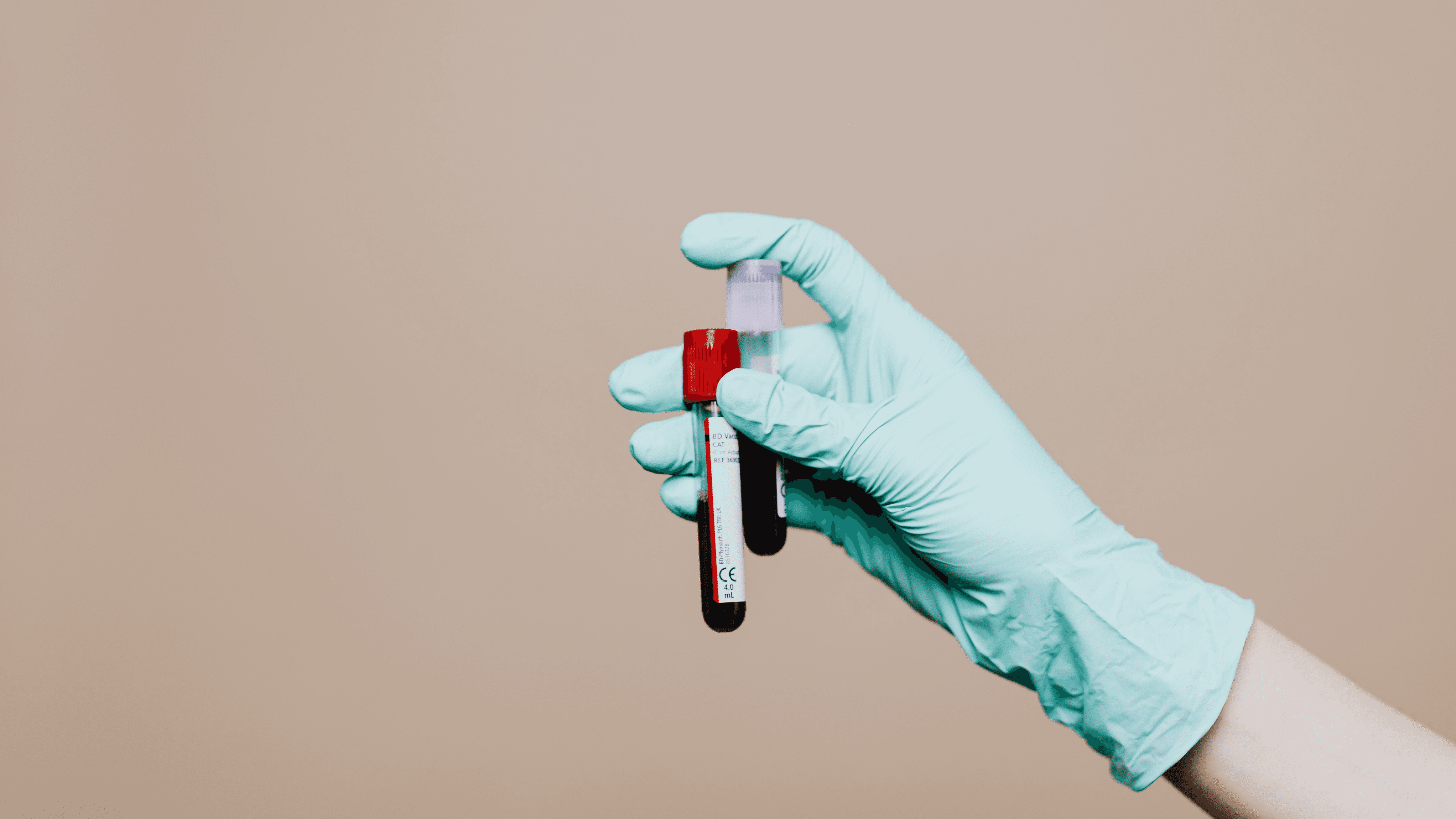
Hormones and health: A complete overview
Understanding hormones helps you recognize imbalances early, make healthier choices, and support long-term well-being.
Aug 9, 2025
What Are Hormones?
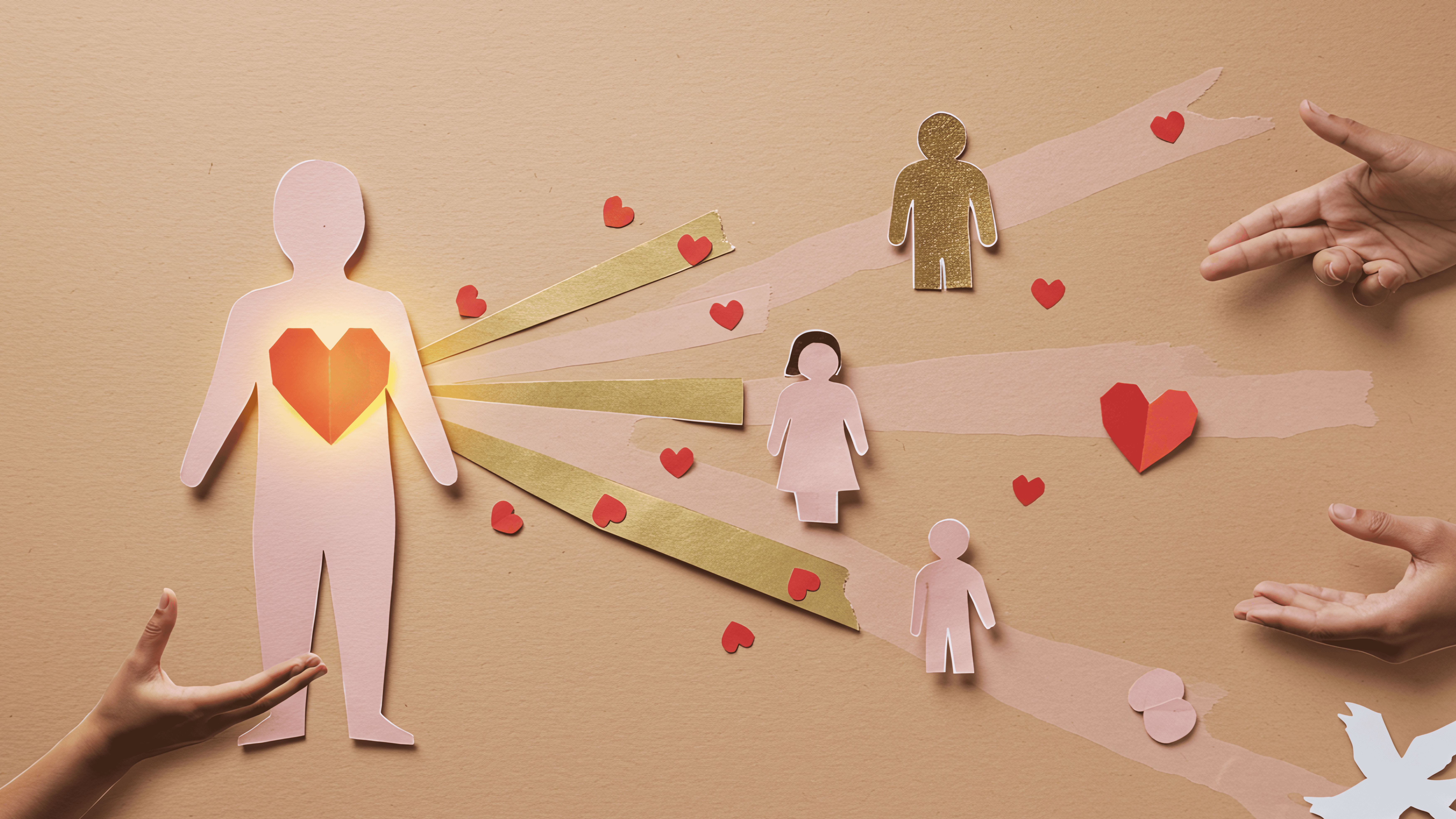
Hormones are chemical messengers produced by glands in the endocrine system. They travel through the bloodstream to organs and tissues, delivering signals that tell the body what to do and when to do it.
Hormones control many automatic functions you never think about, including hunger, temperature, metabolism, and emotion. When they work well, your body stays stable. When they fall out of balance, symptoms can appear quickly.
Why Hormones Matter for Overall Health
Hormones regulate essential body functions. Even slight changes can impact:
Energy levels
Body weight
Reproductive healt
Stress response
Sleep quality
Digestion
Immune function
Mental clarity
Mood
When one hormone changes, it often affects others. This is why hormonal balance is important at every age.
The Endocrine System: The Body’s Hormone Network
The endocrine system includes glands that produce hormones. Each gland has its own role, but they also work together like a connected network.
Major Endocrine Glands and Their Functions
1. Hypothalamus
Located in the brain, it controls hunger, thirst, sleep, mood, and body temperature. It links the nervous system to the endocrine system.
2. Pituitary Gland
Known as the “master gland,” it controls other glands and regulates growth, reproduction, and metabolism.
3. Thyroid Gland
Controls metabolism, energy production, and body temperature through thyroid hormones (T3 and T4).
4. Parathyroid Glands
Regulate calcium levels in the blood, important for bones and muscles.
5. Adrenal Glands
Produce stress hormones like cortisol and adrenaline. They also help regulate blood pressure and metabolism.
6. Pancreas
Manages blood sugar through insulin and glucagon.
7. Ovaries (in women)
Produce estrogen and progesterone, which regulate menstrual cycles, fertility, and pregnancy.
8. Testes (in men)
Produce testosterone, which affects muscle mass, libido, and sperm production.
Key Hormones and Their Roles
Hormones are chemical messengers that help different parts of the body communicate. They influence metabolism, mood, sleep, energy, growth, and reproductive health. When hormone levels fall out of balance, even slightly, it can affect how you feel and how your body functions. Below are some of the most important hormones and what they do.
1. Insulin
Insulin controls how your body uses and stores glucose. It helps move sugar from your bloodstream into your cells, where it’s used for energy.
When insulin is too low, blood sugar rises, which can lead to diabetes. When it’s too high, it may cause weight gain, fatigue, and increased hunger. Balanced insulin levels are essential for stable energy and healthy metabolism.
2. Cortisol
Cortisol is often called the stress hormone because it increases during physical or emotional stress. It helps regulate mood, blood pressure, blood sugar, and inflammation.
Short-term cortisol is helpful, but chronic stress keeps it elevated for long periods. This can affect sleep, weaken immunity, cause weight gain, and increase inflammation throughout the body..
3. Thyroid Hormones (T3 and T4)
These hormones control how quickly your body burns energy. They influence heart rate, digestion, brain function, and temperature regulation.
Low thyroid levels may cause weight gain, tiredness, dry skin, and cold sensitivity. High levels can lead to weight loss, anxiety, rapid heartbeat, and heat intolerance. Balanced thyroid function is essential for overall energy and metabolism.
4. Estrogen
Estrogen is important for reproductive health but also supports bone density, mood, heart function, and skin health.
Imbalances can cause irregular periods, hot flashes, mood swings, weight changes, or reduced bone strength. Estrogen plays a key role throughout a woman’s life, especially during puberty, pregnancy, and menopause.
5. Progesterone
Progesterone works closely with estrogen to regulate menstrual cycles and support pregnancy. It helps prepare the uterus for implantation and maintains pregnancy in its early stages.
Low levels may lead to mood changes, irregular cycles, anxiety, and sleep problems. Balanced progesterone helps stabilize emotions and supports reproductive health.
6. Testosterone
Testosterone affects both men and women, although men produce much more. It helps build muscle, maintain bone density, support libido, and promote mental focus.
Low levels can cause fatigue, reduced strength, mood changes, and lower sexual desire. High levels may contribute to acne, excess hair growth, or aggression. Maintaining the right balance is important for physical and mental well-being.
7. Melatonin
Melatonin controls your internal clock, helping you fall asleep and stay asleep. It rises in the evening and drops in the morning.
Imbalanced melatonin can lead to insomnia, irregular sleep cycles, or poor sleep quality. Healthy sleep habits, light exposure, and nighttime routines help regulate melatonin naturally.
8. Serotonin
Serotonin plays a major role in mood, digestion, sleep, and overall emotional well-being. Low serotonin is linked to depression, anxiety, cravings, and digestive issues.
Balanced serotonin levels contribute to stable mood, healthy appetite, calmness, and restful sleep.
9. Growth Hormone
Growth hormone helps repair tissues, build muscle, and regulate metabolism. It supports healthy development in children and maintains cell repair in adults.
Low levels may cause fatigue, poor exercise recovery, weight gain, and reduced muscle mass. Proper sleep, exercise, and balanced nutrition help support healthy growth hormone production.
How Hormones Stay Balanced
The body uses a system called feedback loops to keep hormones in balance. When hormone levels rise or fall, the brain sends signals to adjust production.
This system works like your home thermostat—turning production on or off as needed.
Problems arise when:
Glands don’t produce enough
Glands produce too much
The body stops responding to hormones properly
Stress disrupts the balance
Over time hormonal imbalance can affect your quality of life.
Signs and Symptoms of Hormonal Imbalance
Hormonal imbalance can appear differently from person to person. Here are common symptoms to watch for:
General Symptoms
Unexplained weight gain or loss
Constant fatigue
Anxiety or depression
Difficulty concentrating
Mood swings
Sleep problems
Hair thinning
Low libido
Women-Specific Symptoms
Irregular periods
Severe PMS
Hot flashes
Infertility
Acne or skin changes
Men-Specific Symptoms
Low testosterone
Muscle loss
Erectile dysfunction
Low energy
If symptoms persist, a medical evaluation is important.
Common Hormone-Related Conditions
Hormonal imbalance contributes to several health issues.
1. Hypothyroidism
Low thyroid hormones cause fatigue, weight gain, and cold sensitivity.
2. Hyperthyroidism
High thyroid hormones cause weight loss, anxiety, and heat sensitivity.
3. Diabetes
Occurs when insulin levels or insulin sensitivity are compromised.
4. PCOS (Polycystic Ovary Syndrome)
Women experience irregular periods, acne, and insulin resistance.
5. Adrenal Fatigue
Chronic stress can weaken adrenal function over time.
6. Menopause
Declining estrogen causes hot flashes, mood changes, and bone loss.
7. Low Testosterone
Men may experience fatigue, low libido, and muscle loss.
Understanding these conditions helps guide proper care.
How Hormones Affect Mental Health
Hormones have a strong impact on the brain. Imbalances may affect:
Mood
Focus
Stress tolerance
Memory
Sleep
Low estrogen can contribute to irritability and depression. High cortisol increases anxiety. Low thyroid hormones cause brain fog and low motivation. Balancing hormones often improves emotional well-being.
Sleep and Hormone Regulation
Sleep is essential for hormonal balance. During sleep, the body produces:
Growth hormone
Melatonin
Cortisol‐regulating hormones
Poor sleep disrupts these levels and increases stress, weight gain, and inflammation.
Most adults need 7–9 hours of quality sleep for hormone stability.
Diet and Hormones: The Connection
Food directly influences hormone production and balance.
Foods That Support Healthy Hormones
Leafy greens
Whole grains
Lean proteins
Healthy fats like olive oil
Nuts and seeds
Fruits and vegetables
Omega-3 rich foods like salmon
Foods That Disrupt Hormones
Sugar
Processed food
Excess caffeine
Alcohol
Trans fats
A nutritious diet helps stabilize blood sugar, reduce inflammation, and support endocrine function.
Exercise and Hormone Health
Regular movement helps manage hormones like:
Insulin
Cortisol
Growth hormone
Testosterone
Estrogen
Exercise improves mood, supports metabolism, and reduces stress.
A balanced routine includes:
Cardio
Strength training
Flexibility exercises
Too much intense exercise, however, can increase cortisol.
Stress and Hormones
Stress is one of the biggest disruptors of hormonal balance. Chronic stress keeps cortisol high, which can:
Increase belly fat
Disrupt sleep
Lower immunity
Cause anxiety
Affect fertility
Imbalance estrogen and testosterone
Managing stress is essential for hormonal health.
Ways to Reduce Stress
Meditation
Deep breathing
Light exercise
Talking with others
Mindfulness
Hobbies
Small daily habits help calm the nervous system.
Environmental Factors That Affect Hormones
Chemicals called endocrine disruptors can interfere with hormone function. They’re found in:
Plastics
Certain cosmetics
Cleaning products
Pesticides
Some processed foods
Reducing exposure supports healthy hormone function.
How Aging Impacts Hormones
Hormones naturally change as we age.
Women
Estrogen and progesterone decrease during perimenopause and menopause.
Men
Testosterone declines gradually with age.
Both
Thyroid hormone and growth hormone may also decrease.
Healthy habits can reduce the effects of age-related hormonal changes.
How Hormonal Imbalance Is Diagnosed
Doctors use several methods:
1. Blood Tests
Measure hormone levels such as thyroid, estrogen, testosterone, insulin, and cortisol.
2. Saliva Tests
Useful for measuring cortisol throughout the day.
3. Urine Tests
Evaluate hormone metabolites.
4. Physical Examination
Checks symptoms, medical history, and lifestyle.
Accurate diagnosis helps guide treatment.
Treating Hormonal Imbalances
Treatment depends on the underlying cause.
Medical Treatments
Thyroid medication
Insulin regulation
Hormone replacement therapy
Birth control for hormone management
Medication for adrenal disorders
Lifestyle Treatments
Balanced diet
Stress reduction
Sleep improvement
Exercise
Weight management
A combination of medical care and lifestyle improvement often works best.
How to Support Healthy Hormones Naturally
You can make changes today to support your hormones.
Eat balanced, nutrient-rich meals
Manage stress each day
Exercise regularly
Prioritize sleep
Avoid toxins and chemicals
Maintain a healthy weight
Stay hydrated
Limit alcohol
Quit smoking
Support gut health
Small, daily habits create long-lasting hormonal balance.
Final Thoughts
Hormones play a central role in your health, affecting everything from energy to mood to metabolism. Understanding how your hormones work—and what affects them—helps you take control of your health.
With the right habits, awareness, and medical support when needed, you can keep your hormones balanced and your body functioning at its best.
If you suspect a hormonal issue, consult a healthcare provider for proper testing and guidance.
About
Delivering independent journalism, thought-provoking insights, and trustworthy reporting to keep you informed, inspired, and engaged with the world every day.
Featured Posts


Explore Topics