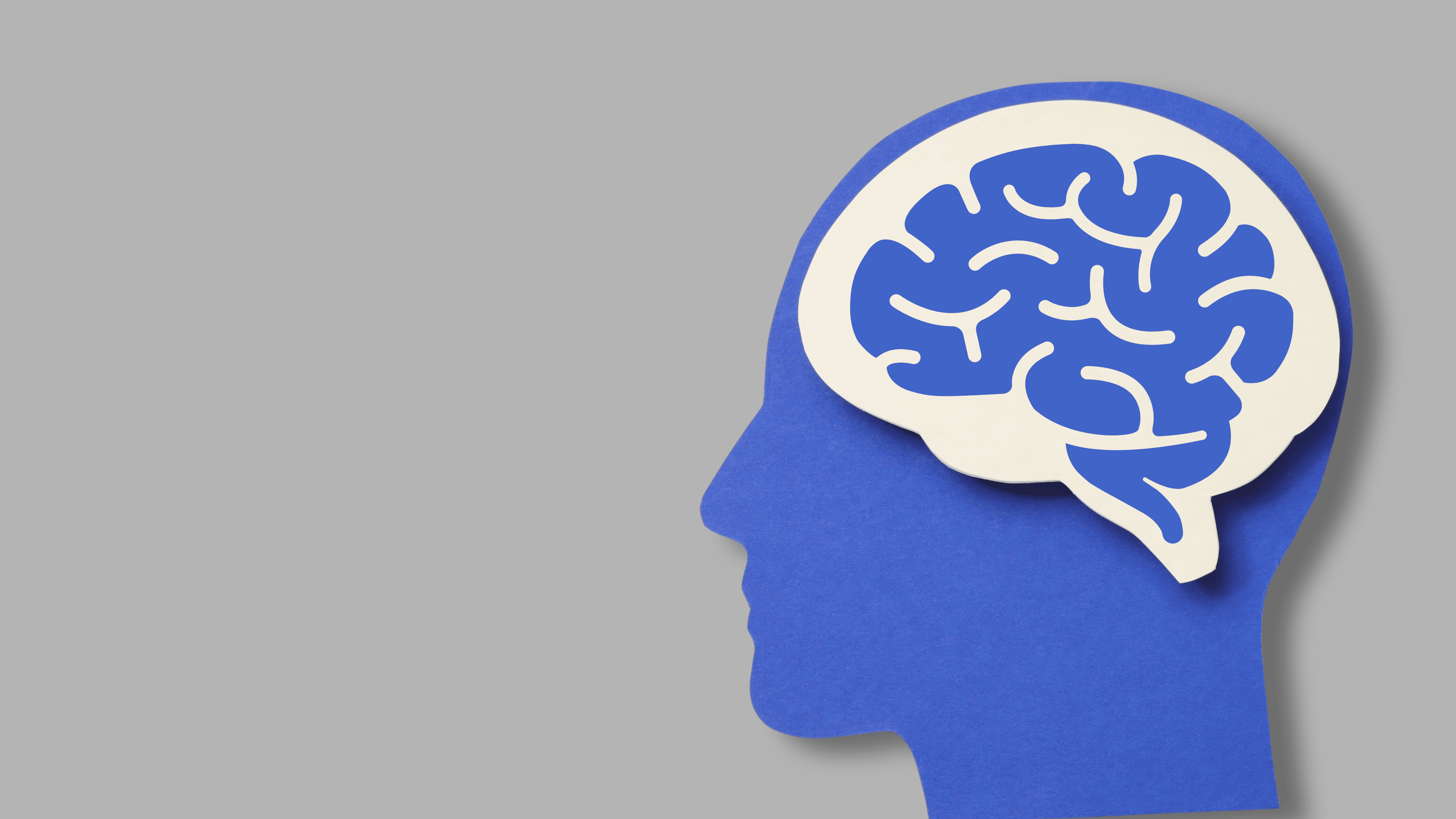
Sleep disorders and mental health: The reciprocal connection
Sleep is one of the most powerful tools for physical and mental well-being, yet it is often overlooked. Many people accept fatigue, restless nights, or irregular sleep patterns as normal parts of life.
Aug 16, 2025
Why Sleep Matters for Overall Health
Sleep is not just “rest.” It is an active healing process that restores the body and the mind. During sleep, the brain clears toxins, repairs cells, balances hormones, and prepares the body for the next day. Without enough sleep, these essential processes break down.
Quality sleep supports:
Emotional stability
Memory and learning
Muscle recovery
Immune strength
Healthy metabolism
Hormone balance
When sleep suffers, everything else—including fitness, motivation, and mental strength—begins to decline.
Understanding Sleep Disorders
Sleep disorders occur when the quantity, quality, or timing of sleep is disrupted in a way that interferes with daily life. These conditions can make it difficult to fall asleep, stay asleep, or feel refreshed after waking up. Over time, chronic sleep problems affect energy levels, emotional well-being, physical health, and overall quality of life. Understanding the different types of sleep disorders is an important step toward getting the right diagnosis and treatment.
1. Insomnia
Insomnia is one of the most common sleep disorders. People with insomnia may struggle to fall asleep, wake up frequently during the night, or wake up too early and be unable to return to sleep. This leads to poor-quality rest, daytime fatigue, difficulty concentrating, irritability, and reduced productivity. Insomnia can be short-term due to stress or life changes, or long-term when it persists for months or years.
2. Sleep Apnea
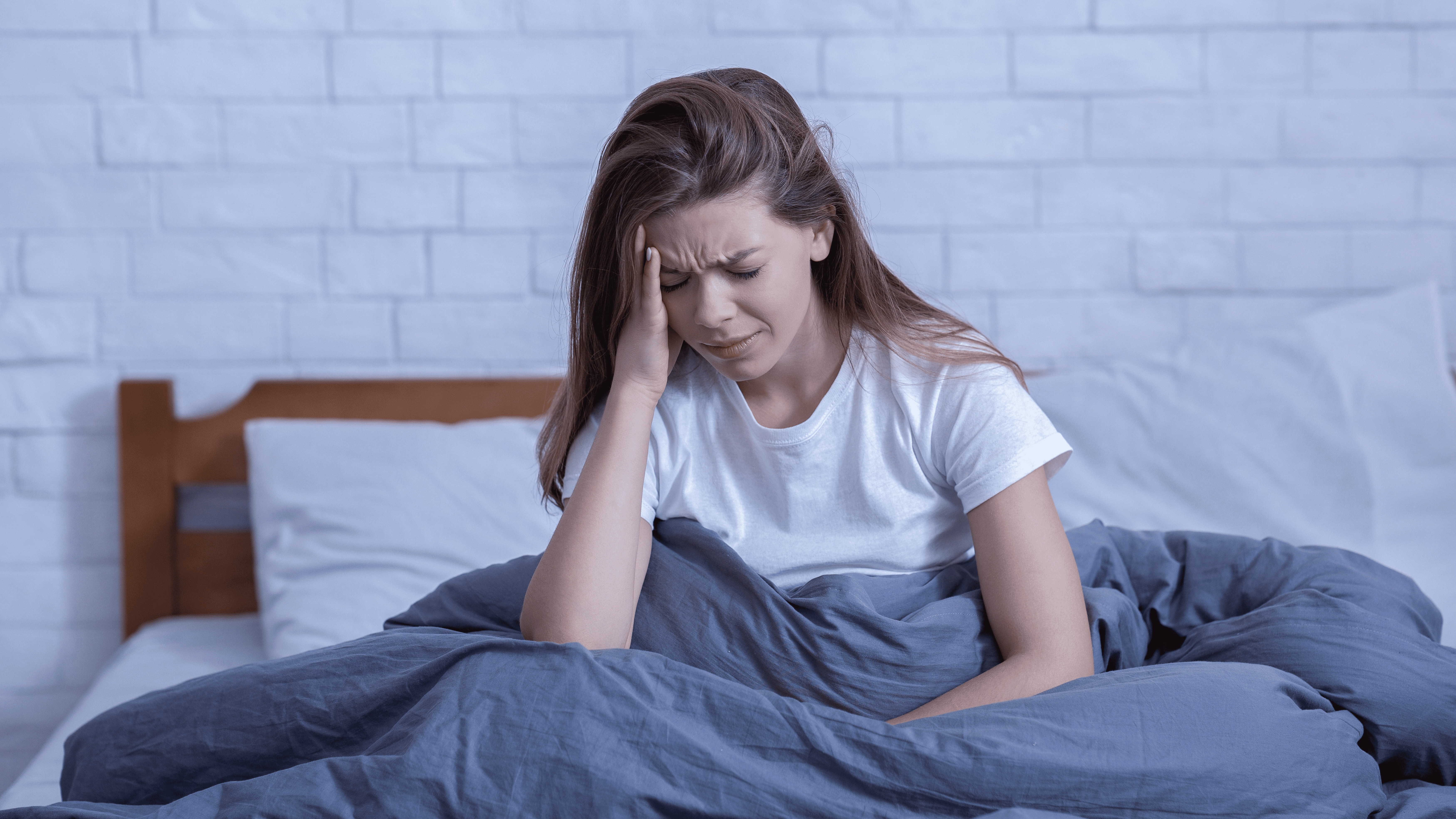
Sleep apnea involves repeated interruptions in breathing during sleep. These pauses can last several seconds and happen dozens or even hundreds of times each night. Sleep apnea reduces oxygen levels in the body, causing sudden awakenings that disrupt deep sleep. Common symptoms include loud snoring, gasping during sleep, morning headaches, and excessive daytime sleepiness. If untreated, sleep apnea increases the risk of high blood pressure, heart disease, and stroke.
3. Restless Legs Syndrome (RLS)
RLS causes uncomfortable sensations in the legs—like tingling, crawling, or itching—that create an urge to move them. Symptoms typically worsen at night or while sitting still. The constant need to move makes it difficult to fall asleep and stay asleep. RLS can interfere with sleep quality and lead to fatigue, irritability, and difficulty focusing during the day.
4. Circadian Rhythm Disorders
Circadian rhythm disorders occur when your internal body clock is out of sync with your natural environment. This misalignment makes it challenging to sleep and wake at typical times. Common examples include delayed sleep phase (sleeping very late and waking late) and shift work disorder, where irregular work hours disrupt normal sleep patterns. These disorders can lead to chronic tiredness, poor concentration, and mood imbalances
5. Parasomnias
Parasomnias involve unusual behaviors or experiences during sleep. These can include sleepwalking, night terrors, confusional awakenings, sleep talking, or acting out dreams. Although these episodes may not always be remembered the next day, they disrupt the normal sleep cycle and can pose safety risks. Parasomnias often affect deep or REM sleep stages.
Why Sleep Disorders Matter
Untreated sleep disorders can lead to long-term sleep deprivation, which affects the brain, emotional health, and physical well-being. They are linked to anxiety, depression, memory problems, weakened immunity, weight gain, and increased risk of chronic diseases. Because sleep is essential for restoration and healing, addressing sleep disorders early is important for overall wellness.
How Sleep Disorders Affect Mental Health
Sleep problems influence nearly every aspect of emotional and mental functioning. When the brain does not rest properly, it struggles to handle stress, regulate emotions, stay focused, and make decisions.
1. Sleep Deprivation Increases Stress Hormones
Lack of sleep raises cortisol, the primary stress hormone. High cortisol levels increase anxiety, irritability, and emotional sensitivity.
2. Poor Sleep Reduces Emotional Control
Without quality sleep, the brain’s emotional centers become more reactive. Small challenges feel overwhelming, and negative emotions are harder to manage.
3. Sleep Disorders Increase the Risk of Anxiety
Individuals with chronic sleep problems often develop anxiety. The constant worry about falling asleep or waking up unrefreshed creates a cycle of fear around bedtime.
4. Sleep Disturbances Worsen Depression
There is a strong, proven link between poor sleep and clinical depression. Reduced sleep affects brain chemicals like serotonin and dopamine, which regulate mood.
People with insomnia are significantly more likely to develop depression.
5. Cognitive Function Declines
Sleep supports:
Memory
Decision-making
Focus
Problem-solving
Without sleep, mental clarity drops, making it hard to stay productive and motivated.
6. Poor Sleep Affects Physical Health, Influencing Mental Wellness
Sleep disorders weaken the immune system, affect appetite, and slow recovery after workouts. When the body feels tired or heavy, mental stress increases, creating a reciprocal pattern.
How Mental Health Disorders Disrupt Sleep
The connection goes both ways. Just as sleep affects mental health, mental health affects sleep patterns.
1. Anxiety Disorders
Anxiety increases racing thoughts, muscle tension, and irregular breathing—all of which make falling asleep difficult.
Common patterns include:
Trouble falling asleep
Waking frequently
Morning fatigue despite hours in bed
2. Depression
Depression disrupts the brain’s circadian rhythm. People may sleep too much or too little. Depressive episodes also reduce motivation for creating healthy sleep routines.
3. Stress
Stress hormones keep the brain alert, even during quiet hours. Chronic stress makes the body feel like it is in a state of danger, preventing deep sleep.
4. Trauma and PTSD
Nightmares, flashbacks, and hypervigilance can lead to severe nighttime disturbances.
5. Lifestyle and Emotional Factors
Mental health issues often influence lifestyle decisions like:
Late-night screen time
Unregulated eating habits
Social withdrawal
Overuse of caffeine or alcohol
These habits worsen sleep quality further.
The Sleep–Mental Health Cycle
Sleep affects mental health, and mental health affects sleep. This creates a repeating cycle:
Poor sleep weakens emotional stability
Emotional instability increases worry, sadness, or stress
Increased stress or anxiety disrupts sleep again
Breaking this cycle is essential for long-term well-being.
How Sleep Affects Fitness and Physical Well-Being
For a fitness-focused website, it’s important to highlight how sleep influences physical performance. Fitness progress depends on both physical recovery and mental resilience.
1. Reduced Muscle Recovery
Sleep is when the body repairs muscle tissue and builds new cells. Poor sleep slows recovery and makes workouts feel more difficult.
2. Lower Strength and Endurance
Sleep deprivation decreases:
Reaction time
Strength output
Cardiovascular performance
Even simple workouts feel harder.
3. Increased Injury Risk
Fatigue reduces coordination and focus, increasing the chance of injuries during exercise.
4. Disrupted Appetite Hormones
Poor sleep affects hormones like ghrelin and leptin, which control hunger. This can lead to overeating or cravings.
5. Reduced Motivation
It’s nearly impossible to stay consistent with workouts when you're exhausted. Poor sleep directly lowers motivation and energy.
How Fitness Supports Better Sleep
Regular physical activity does far more than strengthen muscles or improve heart health. It also plays a major role in supporting high-quality sleep. Exercise influences hormones, mood, energy balance, and the body’s internal clock—all key components of healthy rest. Here’s how fitness helps you sleep better and wake up feeling more refreshed.
1. Exercise Reduces Stress
Movement naturally reduces stress hormones like cortisol and helps release physical tension stored in the muscles. When the body feels calmer, it’s easier to transition into a restful state at night. Activities like walking, yoga, stretching, or moderate workouts help shift the body away from stress and toward relaxation, making it easier to fall asleep..
2. Physical Activity Improves Sleep Quality
Regular exercise has been shown to increase deep sleep—the most restorative stage of the sleep cycle. Deep sleep is essential for memory, immune function, and muscle recovery. People who exercise often report fewer nighttime awakenings and smoother transitions between sleep stages. Even 20–30 minutes of daily movement can support better sleep quality.
3. Fitness Regulates Circadian Rhythm
Your circadian rhythm is the body’s natural sleep–wake cycle. Exercise helps reinforce this rhythm by signaling when it’s time to be alert and when it’s time to wind down. Consistent daily movement helps the body maintain a stable internal clock, making it easier to fall asleep at night and wake up naturally in the morning.
4. Improves Mood
Exercise boosts mood by increasing serotonin, dopamine, and endorphins—brain chemicals tied to happiness and emotional balance. A stable mood helps reduce nighttime worry and racing thoughts, two common barriers to falling asleep. Better mental health through exercise often translates into calmer, more consistent sleep.
5. Helps Use Energy Productively
Physical activity helps the body burn off excess energy and reduces restlessness. For people who sit for long periods during the day, even light movement helps release built-up tension and prevent nighttime restlessness. When your body has used its energy well, it’s naturally more prepared to relax and enter a deeper sleep at night.
Nutrition and Sleep: Supporting Rest Through Diet
Food plays a key role in sleep quality. Certain foods help the body relax, while others disrupt rest.
1. Eat Balanced Meals Throughout the Day
Stable blood sugar prevents nighttime energy crashes or anxiety.
2. Support Relaxation with the Right Nutrients
Helpful nutrients include:
Tryptophan (found in turkey, nuts, seeds)
Magnesium (spinach, almonds, bananas)
Omega-3 fatty acids (salmon, flaxseed)
B-vitamins (whole grains, eggs)
These help the nervous system relax and improve mood.
3. Limit Caffeine and Alcohol
Both substances disrupt sleep cycles. Reducing intake, especially in the afternoon, supports better rest.
4. Stay Hydrated
Dehydration causes cramps, dryness, and restlessness at night.
5. Avoid Heavy Meals at Night
Large meals disrupt digestion, making it difficult to fall asleep.
Healthy Lifestyle Strategies to Improve Sleep and Mental Health
Supporting both sleep and mental well-being requires consistent habits.
1. Create a Regular Sleep Schedule
Go to bed and wake up at the same time daily, even on weekends.
2. Build a Nighttime Routine
Prepare the mind and body for rest with:
Light stretching
Reading
Dim lighting
Meditation
3. Reduce Screen Exposure
Blue light from phones disrupts melatonin production.
4. Keep Your Sleep Environment Comfortable
A cool, dark, quiet space supports deeper rest.
5. Move Your Body Daily
Even short walks or stretching sessions help regulate sleep patterns.
6. Manage Stress With Mindfulness
Deep breathing, journaling, and meditation calm the nervous system.
7. Limit Daytime Naps
Long naps can disrupt nighttime sleep.
When to Seek Professional Help
It’s important to seek help when sleep problems persist despite lifestyle changes.
Seek professional support if you experience:
Difficulty sleeping for more than two weeks
Loud snoring or breathing pauses
Constant fatigue
Emotional instability
Panic at night
Night sweats or frequent waking
Sleep specialists, therapists, and medical professionals can help identify underlying causes and create a personalized treatment plan.
How Fitness Professionals Can Support Clients With Sleep Challenges
Fitness coaches can encourage better sleep by:
Designing flexible workout routines
Encouraging stress-relief movement
Supporting consistent habits
Educating clients about recovery
Avoiding excessive intensity late in the evening
A holistic fitness approach recognizes that recovery is just as important as training.
Daily Habits That Support Long-Term Sleep and Mental Health
Simple changes make a big difference.
1. Start the day with sunlight
Helps regulate your internal clock.
2. Move regularly
Keeps energy balanced throughout the day.
3. Avoid late-night heavy meals
Supports digestion and rest.
4. Limit caffeine after noon
Prevents nighttime disturbance.
5. Unwind before bed
Signal the brain that it’s time to slow down.
6. Create a sleep-friendly bedroom
Cool, quiet, and comfortable.
Final Thoughts
Sleep and mental health are deeply connected. Poor sleep makes emotional regulation harder, and emotional struggles make sleep more difficult. This creates a repeating cycle that affects fitness, productivity, appetite, energy, and overall well-being.
By understanding this connection and building healthy habits—regular exercise, balanced nutrition, stress management, consistent routines, and mindful lifestyle choices—people can break the cycle and improve both sleep quality and mental health.
True wellness is about more than training the body; it’s about supporting the mind, restoring energy, and building habits that help you feel strong and balanced every day.
About
Delivering independent journalism, thought-provoking insights, and trustworthy reporting to keep you informed, inspired, and engaged with the world every day.
Featured Posts


Explore Topics